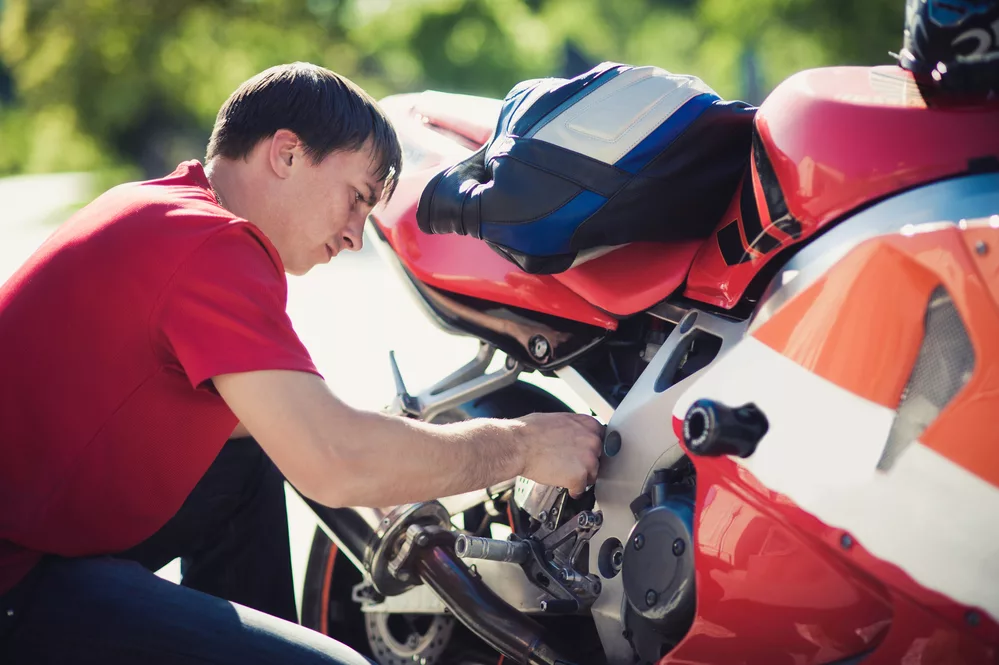
Hi Everyone! This is my first motovlog! I’m riding a 2004 Yamaha YZF-R6. Don’t forget to subscribe and comment!!
-

How to Find the Best Sportbike Salvage Yard Near You: Breathe New Life into Your Ride
For passionate sportbike riders, keeping their machines running smoothly and looking sharp is a constant pursuit. But the sting of repair costs can sometimes dampen the thrill of the ride. That’s where sportbike salvage yards come in, offering a treasure trove of used parts at a fraction of the price of new ones.
However, navigating the world of salvage yards can be daunting, especially for first-timers. This comprehensive guide will equip you with the knowledge and strategies to locate the best sportbike salvage yard near you and score the perfect parts for your motorcycle.
Key Takeaways:
- Sportbike salvage yards offer cost-effective, environmentally friendly options for finding used parts for your motorcycle.
- Consider factors like inventory, reputation, distance, and services offered when choosing a salvage yard.
- Utilize online directories, search engines, local communities, and word-of-mouth recommendations to find suitable yards.
- Prepare thoroughly before visiting, including calling ahead, gathering information, dressing appropriately, and potentially bringing tools.
- Inspect parts carefully, negotiate prices respectfully, and prioritize safety while navigating the salvage yard.
Comparison Table: New vs. Used Sportbike Parts
Feature New Parts Used Parts (Sportbike Salvage Yard) Cost Significantly higher Significantly lower Availability Readily available for most models Wider variety, potentially including hard-to-find parts for older models Environmental Impact Higher due to resource extraction and manufacturing Lower due to part reuse Quality Guaranteed brand new and undamaged May show signs of wear and tear, requiring careful inspection Warranty Typically covered by manufacturer warranty May or may not be offered by the salvage yard 
Why Choose a Sportbike Salvage Yard?
Why Choose a Sportbike Salvage Yard?
Here are some compelling reasons to consider a sportbike salvage yard for your repair needs:
- Cost-Effectiveness: Used parts cost significantly less than new ones, making them ideal for budget-conscious riders.
- Part Availability: Salvage yards often stock a wide variety of parts, including hard-to-find components for older models.
- Environmental Friendliness: Reusing existing parts reduces the demand for new materials and minimizes environmental impact.
- Project Potential: Salvage yards can be a goldmine for enthusiasts working on restoration projects or customizing their bikes.
Finding the Right Salvage Yard: Factors to Consider
Before venturing out, consider these factors to narrow down your search and find the best sportbike salvage yard for your needs:
- Inventory: Does the yard specialize in sportbikes, or do they offer parts for various motorcycle types? Knowing their focus helps ensure they have the specific parts you need.
- Reputation: Research online reviews and testimonials from other riders to gauge the yard’s reputation for quality parts, fair pricing, and customer service.
- Distance: Consider the travel distance and weigh it against the potential savings and availability of parts.
- Services Offered: Does the yard offer additional services like part removal, installation assistance, or even delivery? These can be valuable perks.
Tools and Techniques for Your Search:
- Online Directories: Utilize online directories dedicated to locating salvage yards in your area.
- Search Engines: Leverage search engines like Google, using relevant keywords like “sportbike salvage yard near me” or “used sportbike parts + [your city/state]”.
- Local Forums and Communities: Engage with online communities or forums frequented by sportbike riders in your area. They often share recommendations and insights about local salvage yards.
- Word-of-Mouth: Don’t underestimate the power of personal recommendations. Ask fellow riders, mechanics, or motorcycle shops for their suggestions.
Visiting the Salvage Yard: Tips for Success
Once you’ve identified a promising sportbike salvage yard, here are some tips for a successful visit:
- Call Ahead: Contact the yard beforehand to confirm their operating hours, inquire about specific parts availability, and ask if they have a pull-your-own policy (where you remove the parts yourself) or if they offer removal assistance.
- Gather Information: Prepare a list of the parts you need, including model-specific details, and take pictures of your bike for reference if needed.
- Dress for the Occasion: Wear sturdy shoes and closed-toe footwear, as salvage yards can be dusty and have uneven surfaces.
- Bring Tools (optional): If the yard allows pull-your-own options, bring basic tools like wrenches and screwdrivers to remove the parts you need.
- Negotiate: While not always applicable, some salvage yards are open to negotiation, especially for larger purchases. Be polite and respectful when making an offer.
- Inspect the Parts Thoroughly: Before purchasing any part, meticulously inspect it for any damage, wear and tear, or missing components. Ensure it aligns with your needs and expectations.
Beyond the Parts: Additional Resources and Considerations
Finding the perfect sportbike salvage yard is just the first step. Remember these additional points:
- Safety First: Always prioritize safety when navigating a salvage yard. Wear protective gear and be cautious around machinery and potential hazards.
- Ask Questions: Don’t hesitate to ask the yard staff for assistance or clarification regarding parts, compatibility, or their return policy.
- Warranty Options: Explore whether the yard offers any warranties on the parts you purchase, providing peace of mind in case of unforeseen issues.
6 FAQs: Finding the Perfect Parts at a Sportbike Salvage Yard
-
Do I need to be a mechanic to navigate a sportbike salvage yard?
- While familiarity with motorcycles is helpful, it’s not mandatory. Many salvage yards have staff available to assist and answer questions.
-
What happens if the part I buy is damaged?
- Most salvage yards have a return policy, but always inquire about specific details and timelines before purchasing.
-
Can I negotiate prices at a sportbike salvage yard?
- While not always possible, some yards are open to negotiation, especially for larger purchases. Be polite and respectful when making an offer.
-
What safety precautions should I take when visiting a sportbike salvage yard?
- Wear closed-toe shoes, be mindful of uneven surfaces, and avoid touching any machinery or electrical equipment.
-
How can I ensure the compatibility of a used part with my specific motorcycle model?
- Consult your owner’s manual, research online forums, or seek assistance from the salvage yard staff to confirm compatibility.
-
What are some alternative options if I can’t find the part I need at a salvage yard?
- Online marketplaces and dealerships specializing in used motorcycle parts can be explored as alternative options.
By following these tips and utilizing the resources available, you can confidently navigate the world of sportbike salvage yards and find the perfect parts to breathe new life into your beloved machine, all while saving money and potentially reducing your environmental footprint. Remember, a little research and preparation can go a long way in ensuring a successful and rewarding experience.
-
Maximizing Performance: Upgrades for Your Sportbike
Riding a sportbike is a thrilling experience, but even the most advanced models can benefit from performance upgrades. Whether you’re a competitive racer or simply enjoy the thrill of high-speed riding, there are several modifications you can make to enhance the performance of your sportbike.
No products found.
Upgrade Your Exhaust System: Unlock Hidden Power with an Exhaust System Upgrade
An exhaust system is an essential component of any engine, as it controls the flow of gases generated during combustion. The stock exhaust system on most sportbikes is designed to meet noise and emissions regulations, which can limit the performance of the engine.
However, aftermarket exhaust systems can offer improved airflow, allowing the engine to breathe more easily and increasing horsepower. An aftermarket exhaust system can be made from materials that are lighter and stronger than the stock system, reducing weight and improving performance. Additionally, aftermarket exhaust systems often feature larger-diameter pipes, which allow for greater airflow and improved power output.
If you’re looking for the greatest gains in performance, consider a full exhaust system replacement, including headers and muffler. The headers are the tubes that carry the exhaust gases from the engine to the muffler, and an aftermarket set can be designed with a larger diameter and improved shape to reduce backpressure and increase horsepower. The muffler is responsible for controlling noise levels, and an aftermarket muffler can offer improved sound and performance while still meeting noise regulations.
Upgrading your sportbike’s exhaust system can unlock hidden power and enhance its performance. While the stock exhaust system may meet noise and emissions regulations, it can limit the engine’s ability to breathe and generate power. An aftermarket exhaust system, including headers and muffler, can improve airflow and increase horsepower, allowing you to get the most out of your sportbike.

No products found.
Enhance Your Air Intake: Breath Easy with an Air Intake Upgrade
The air intake system is responsible for delivering air to the engine, and it can play a crucial role in determining the performance of the engine. The stock air intake system on most sportbikes is designed to meet emissions regulations, which can restrict the airflow to the engine and reduce performance.
Upgrading to a high-flow air filter or a cold air intake can increase the amount of air entering the engine, providing a noticeable improvement in horsepower. High-flow air filters allow for a greater volume of air to enter the engine, providing a more oxygen-rich mixture that can improve combustion and increase horsepower. Cold air intakes work by relocating the air filter to a location outside the engine bay, where it can draw in cooler, denser air. This increased airflow can provide a noticeable improvement in horsepower.
Enhancing your air intake system can provide a noticeable improvement in horsepower and performance. The stock air intake system on most sportbikes is designed to meet emissions regulations, which can restrict airflow to the engine and reduce performance. Upgrading to a high-flow air filter or a cold air intake can increase the amount of air entering the engine, providing a more oxygen-rich mixture and a noticeable improvement in horsepower.

Fine-Tune Your Engine Management System: Re-Map Your Engine or Install a Power Commander
The engine management system is responsible for controlling the fuel and air mixture delivered to the engine, and it plays a critical role in determining the performance of the engine. The stock engine management system on most sportbikes is designed to meet emissions regulations, which can be restrictive and limit performance.
Installing a Power Commander or having the engine management system re-mapped can improve throttle response and power delivery, allowing the engine to operate more efficiently. A Power Commander is an aftermarket device that allows you to fine-tune the engine management system by adjusting the fuel and air mixture delivered to the engine. This can provide improved throttle response and increased power output, allowing you to get the most out of your sportbike.
Re-mapping the engine management system involves modifying the software that controls the fuel and air mixture delivered to the engine. This can provide improved throttle response and increased power output, allowing the engine to operate more efficiently.
Fine-tuning your engine management system can provide noticeable improvements in throttle response and power delivery. The stock engine management system on most sportbikes is designed to meet emissions regulations, which can be restrictive and limit performance. Installing a Power Commander or having the engine management system re-mapped can provide improved throttle response and increased power output, allowing you to get the most out of your sportbike.

No products found.
Get the Ultimate Ride with a Suspension Upgrade: Suspension Upgrade
The suspension on a sportbike is one of the most important components in determining handling and stability. The stock suspension components on most sportbikes are designed to provide a balance between comfort and performance, but they may not meet the demands of all riders.
Upgrading to aftermarket suspension components, such as forks, shocks, and springs, can offer improved handling and a more comfortable ride. Suspension upgrades can also allow riders to fine-tune the suspension settings to suit their individual riding style and track conditions. High-performance suspension components can offer improved responsiveness and stability, allowing you to get the most out of your sportbike.
Forks and shocks are two of the most important suspension components, and upgrading them can offer a noticeable improvement in handling and stability. Upgraded forks can provide improved responsiveness, allowing you to negotiate turns with greater ease. Upgraded shocks can provide improved damping, allowing the rear tire to remain in contact with the road, even under hard acceleration or braking.
A suspension upgrade can provide a noticeable improvement in handling and stability, as well as a more comfortable ride. The stock suspension components on most sportbikes are designed to provide a balance between comfort and performance, but they may not meet the demands of all riders. Upgrading to aftermarket suspension components, such as forks, shocks, and springs, can allow riders to fine-tune the suspension settings to suit their individual riding style and track conditions.
No products found.
Stop on a Dime with a Brake Upgrade: Brake Upgrade
Braking performance is critical for riders who like to push the limits of their sportbike’s performance. The stock brake components on most sportbikes are designed to provide a balance between performance and affordability, but they may not meet the demands of all riders.
Upgrading to high-performance brake pads and larger rotors can provide a noticeable improvement in braking performance, helping riders feel more confident on the track or road. High-performance brake pads can offer improved bite and modulation, allowing you to stop quickly and smoothly. Larger rotors can provide improved heat dissipation and stopping power, allowing you to slow down faster and with greater confidence.
Upgrading your brake components can provide a noticeable improvement in braking performance, helping riders feel more confident on the track or road. The stock brake components on most sportbikes are designed to provide a balance between performance and affordability, but they may not meet the demands of all riders. Upgrading to high-performance brake pads and larger rotors can provide improved bite and modulation, as well as increased stopping power, allowing you to stop quickly and confidently.
Conclusion
In conclusion, upgrading your sportbike can significantly enhance its performance and make it even more enjoyable to ride. These modifications can improve power delivery, handling, braking, and overall ride quality. However, it’s important to choose upgrades that are compatible with your bike and to have them installed by a professional to ensure optimal performance and safety. Whether you’re looking for a competitive edge or simply want to improve your riding experience, there are many options available for maximizing the performance of your sportbike.
-
The Benefits of Yoga for Sportbike Riders
Sportbike riding, with its high speeds and sharp turns, demands a lot from riders. It requires not just physical strength and endurance but also mental focus and flexibility. This is where yoga, an ancient practice known for its physical, mental, and spiritual benefits, can play a pivotal role. Integrating yoga into your routine can offer sportbike riders numerous advantages, enhancing their riding experience and overall well-being.
Key Takeaways
- Enhanced Flexibility and Balance: Vital for maneuvering and maintaining posture while riding.
- Increased Core Strength: Supports proper riding posture and reduces fatigue.
- Improved Mental Focus: Essential for concentration and quick decision-making on the road.
- Stress Relief: Yoga’s meditative aspects can help riders unwind and relax.
- Injury Prevention: Regular practice strengthens the body and aids in recovery.
No products found.
Comparison Table: Yoga vs. Traditional Strength Training for Sportbike Riders
Aspect Yoga Traditional Strength Training Flexibility Significantly increases Limited increase Core Strength Builds through balance and posture Focuses on targeted muscle groups Mental Focus Enhances concentration and awareness Less emphasis on mental aspects Stress Relief High due to meditative practices Moderate, through physical exertion Injury Prevention High, with low-impact exercises Moderate, risk of overexertion Enhanced Flexibility and Balance
Yoga is renowned for improving flexibility. For sportbike riders, being flexible is crucial as it aids in maneuvering the bike more effectively and prevents muscle strains and injuries. Yoga poses or asanas stretch and elongate the muscles, increasing range of motion and making it easier to adopt the proper riding posture. Furthermore, balance is essential for sportbike riders, especially at high speeds and when taking tight turns. Yoga improves balance, which can help riders maintain control of their bike in challenging conditions.
Increased Core Strength
A strong core is vital for sportbike riders. It supports proper posture, helps manage the bike’s weight during turns, and reduces fatigue during long rides. Yoga poses are effective in strengthening the core muscles, including the abdominals, back, and pelvic muscles. A stronger core leads to better riding form, enhanced stability, and reduced risk of lower back pain, a common issue among riders.
No products found.
Improved Mental Focus and Concentration
Riding a sportbike requires undivided attention and quick decision-making. Yoga can enhance mental focus and concentration through meditation and breathing exercises (pranayama). These practices help calm the mind, reduce stress, and increase awareness, allowing riders to stay focused and react promptly to unexpected situations on the road.
Stress Relief and Relaxation
The thrill of riding a sportbike can be exhilarating, but it can also be stressful, especially after navigating through traffic or challenging routes. Yoga offers an effective way to relax and de-stress. The combination of physical poses, controlled breathing, and meditation promotes relaxation, reduces cortisol levels (the stress hormone), and improves overall mood.
Better Breathing Techniques
Proper breathing is essential for maintaining endurance and focus. Yoga teaches various breathing techniques that can help sportbike riders control their breath, even under physical exertion. Learning to breathe deeply and evenly can improve oxygenation, enhance energy levels, and ensure that muscles receive the nutrients they need to perform optimally.
Injury Prevention and Recovery
Regular yoga practice can help prevent injuries by improving flexibility, strength, and balance. Additionally, yoga can aid in the recovery process after rides or in the event of an injury. Gentle yoga poses can help alleviate muscle soreness, accelerate recovery, and prevent stiffness, making it easier for riders to get back on their bike.
No products found.
FAQs About Yoga for Sportbike Riders
-
How does yoga improve riding performance?
- Yoga enhances balance, flexibility, and mental focus, directly contributing to better riding techniques and endurance.
-
Can yoga reduce the risk of injuries from riding?
- Yes, by strengthening muscles, increasing flexibility, and improving balance, yoga helps prevent common riding-related injuries.
-
How often should riders practice yoga for the best results?
- Incorporating yoga 2-3 times a week can significantly benefit sportbike riders.
-
Are there specific yoga poses that are most beneficial for riders?
- Poses focusing on the core, legs, and back, such as the Plank, Warrior II, and Downward-Facing Dog, are particularly beneficial.
-
Can yoga help with post-ride recovery?
- Yes, gentle yoga can aid in muscle recovery, reducing stiffness and soreness after long rides.
-
Is yoga suitable for beginners or those new to fitness?
- Absolutely, yoga offers various levels of difficulty, making it accessible to beginners and seasoned athletes alike.
No products found.
Conclusion
For sportbike riders, incorporating yoga into their fitness regimen can lead to significant improvements in flexibility, strength, mental focus, and overall riding performance. Whether it’s through attending a yoga class, following online tutorials, or practicing at home, the benefits of yoga can help riders enjoy a more comfortable, focused, and enjoyable riding experience.
Sportbike riding is not just about the machine and the road; it’s also about the rider’s body and mind. Yoga offers a holistic approach to enhance both, ensuring that riders can tackle every curve with grace, precision, and ease.
For more insights into fitness and wellness for riders, visit RunTheCity’s Fitness Blog.
No products found.